The Storm Coming This Weekend
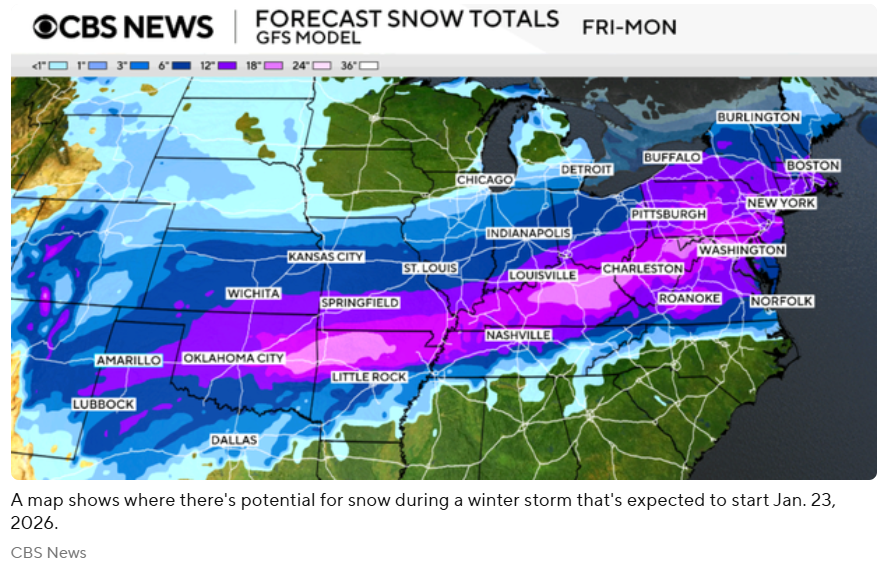
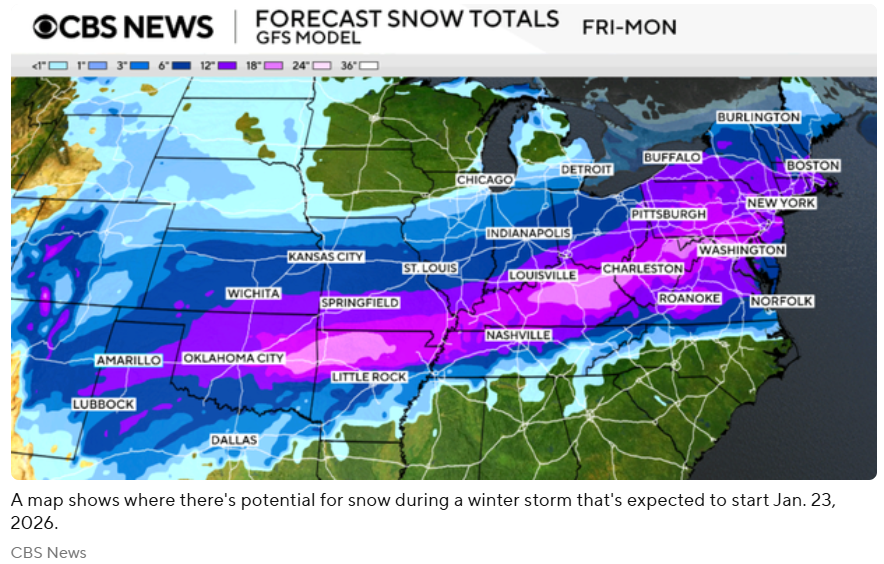
Like most people, I’ve been watching the forecast this week. They’re calling for a big winter storm to move through our area beginning Saturday night, bringing a good amount of ice and snow.
Maybe six inches. Maybe 18. Maybe it shifts slightly north, and we get rain.
The forecasts keep changing. Every few hours, a new model. A different track. More uncertainty.
You know the feeling. Should we cancel Sunday plans? Do we have enough milk and bread? Are we overreacting, or will we regret not taking it seriously?
I’ve been through enough Mid-Atlantic winters to know: the storm itself isn’t what disrupts us. It’s not knowing when it will arrive, how bad it will be, or whether we’re actually prepared.
Storms don’t derail our lives because they’re rare. They derail us because we can’t control the timing.
Here’s what I’ve learned in my career as a CPA watching people navigate retirement: The real problem is never the storm. It’s uncertainty.
Not knowing if the power will go out. Not knowing how long it will last. Not knowing if you did enough.
Weather. Health. Markets. Retirement. The pattern is always the same.
Most of the stress in our lives doesn’t come from bad outcomes. It comes from not knowing how we’ll handle them if they happen.
Retirement is particularly vulnerable to this because, unlike other phases of life, it sits fully exposed to uncertainty with no safety net.
When you’re working, paychecks keep coming. Markets go up and down, but you keep contributing. A crash is inconvenient, maybe even scary, but it’s not existential. You have time to recover.
In retirement? Paychecks stop. Markets don’t. And time horizons are finite.
A market crash in your 30s means stocks are on sale. A market crash at 68 means you might have to sell at the bottom to pay for groceries. Same event. Completely different meaning.
That’s why storms feel different in retirement. They’re not just financial events. They’re threats to the entire structure of your life. Will inflation erode your purchasing power? Will taxes spike when RMDs kick in? Will a health crisis drain your accounts?
In retirement, uncertainty doesn’t just affect your portfolio. It affects how you sleep, spend, and live.
Here’s the mistake I see in most retirement plans: They assume average returns. Normal markets. Rational behavior. They plan for pleasant weather.
But real life looks more like:
Storms arriving early. Multiple storms in a row. Storms lasting longer than expected.
The 2000-2002 tech crash. Then 2008. Then COVID in 2020. Then 2022 when both stocks AND bonds dropped. If you retired in 2000, you didn’t get “average returns” for the first decade. You got hammered twice before most people even hit 70.
Your plan might say you need a 6% return. But the market doesn’t care what you need.
The problem isn’t that markets are unpredictable. The problem is that most plans require them not to be.
So how do you actually prepare? Think about winter storms for a second.
We don’t prepare by hoping the forecast is wrong. We don’t cross our fingers and assume it’ll be mild. We make sure the things that matter most—warmth, food, safety—are protected regardless of what happens outside.
Good retirement planning works the same way. It’s not about predicting storms. It’s about deciding what must keep working no matter what.
Here’s the shift that changes everything:
Some money has one job: keep life running.
Other money can take risk and grow over time.
Problems happen when the same dollars are expected to do both.
When income and growth are combined in a single portfolio, every market drop becomes a crisis. When they’re separated, volatility becomes tolerable.
Think of it like preparing for a winter storm. You stock essentials—milk, bread, batteries—because you know if you have those things, you’ll be okay if you can’t get to the store for a week. Everything else? The nice-to-haves? Those can wait until roads clear.
Retirement works the same way. Some money needs to be stocked essentials. The rest can wait for better conditions.
Most plans try to make one portfolio do both jobs. That’s why every downturn feels like a threat to survival.
Here’s what actually changes when your core expenses are covered:
You make fewer reactive decisions. You stop obsessing over headlines. You’re more willing to spend on things that matter—travel, family, the life you saved for. You’re more patient with long-term investments because you’re not forced to touch them.
Think about the storm coming this weekend.
If you know the heat will stay on, you stop staring out the window.
You might glance at the forecast. You might adjust plans slightly. But you’re not panicked. Because the essentials are handled.
Retirement works the same way. Markets will crash again. They always do. Inflation will spike. Tax laws will change. Unexpected expenses will appear. But when your income is secure, those things become background noise instead of existential threats.
Here’s the quiet point most people miss:
The goal isn’t to eliminate uncertainty. It’s to decide which parts of your life are allowed to feel uncertain—and which aren’t.
Your growth portfolio? Sure, let that be uncertain. It’s working on a 10-20 year timeline. Volatility is the price of long-term returns.
Your grocery money? Your health insurance? Your ability to keep the lights on? Those shouldn’t be uncertain. Ever.
When you separate them, everything clarifies. You’re not trying to make the perfect prediction about markets. You’re not hoping the storm misses you. You’re just making sure the things that matter most are protected, regardless of what happens.
The storm is still coming this weekend.
It might be nothing. Six inches could melt by Monday. Or it might shut things down for days. But here’s the thing: preparation changes how either scenario feels.
If we lose power, we have flashlights and a plan. If schools close, we adjust. If roads are bad, we stay home. We’re not hoping for the best. We’re ready for whatever comes.
Retirement works best when storms become background noise instead of existential threats. Not because the storms stop coming. But because you’ve built something that doesn’t depend on them missing you.
I think about this every time I review a retirement plan now. Not “what’s the expected return?” but “what has to keep working when everything else breaks?” Because that’s the question that actually matters.
Retirement isn’t about dying with the biggest balance.
It’s about living with the greatest peace of mind.
And peace doesn’t come from perfect forecasts.
It comes from knowing you’re ready either way.